Care, Rooted in Humanity
Kindred was created from a simple but powerful belief:
Care is not about fixing what is broken—it is about remembering what is already whole.
Kindred exists to offer steady, non-medical, in-home support for individuals and families navigating burnout, aging, recovery, grief, neurodivergence, and life transitions. The work is slow by design. It is grounded in presence, respect, and meeting people exactly where they are—without rushing, judgment, or a one-size-fits-all approach.
At its heart, Kindred is about showing up with steadiness and compassion, and helping people feel less alone in moments that can feel overwhelming or fragile.
The Person Behind Kindred
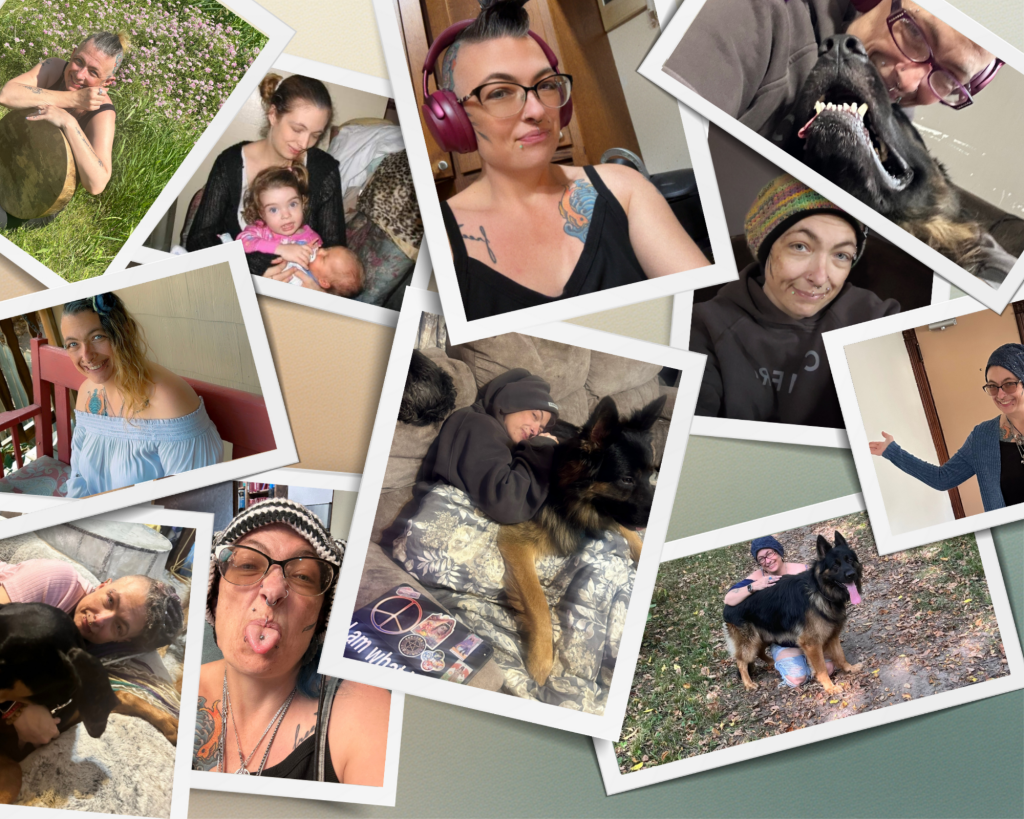
Real life. Real care. Real connection.
My name is Jennifer(Jae), and Kindred is deeply personal to me.
My path into care work did not come from a single credential—it came from lived experience, deep questions, and a desire to do better for others than what I sometimes witnessed during vulnerable moments in my own family’s life.
I enrolled in the Long-Term Care Administration (LTCA) program at Southeast Community College in Lincoln, Nebraska, completing all but two classes toward graduation. I entered this program after my grandfather passed away following multiple falls in his care facility. His experience raised hard questions for me about aging, dignity, safety, and what it truly means to care for the whole person—not just manage systems.
While in the LTCA program, my coursework included in-depth study of:
- Gerontology, with a focus on the physical, emotional, and cognitive changes that accompany aging
- Grief, loss, and dying, including how individuals and families experience transitions, anticipatory grief, and end-of-life care
- Cultural competency and multicultural care, exploring how cultural background, traditions, beliefs, and values shape experiences of illness, aging, decision-making, and support Ethics in long-term care and resident rights
- Healthcare regulations, compliance, and quality assurance Care planning, advocacy, and interdisciplinary communication
- Mental health considerations in aging populations
This education deepened my understanding that good care must be relational, culturally aware, emotionally informed, and rooted in dignity, not just systems or checklists.
I ultimately chose not to complete the final two classes—not because the work stopped mattering, but because my interests expanded. I realized I wanted to support people more directly, more personally, and in ways that honor emotional, mental, and relational wellbeing alongside physical needs.
I also supported my father during the difficult process of placing his mother into hospice care, helping navigate decisions, conversations, and the emotional weight that comes with end-of-life transitions. That experience further deepened my commitment to compassionate, informed, and human-centered support.

Education, Learning, and Ongoing Growth
I am currently studying Business Administration with a focus on Marketing, with the intention of using these skills not only to build Kindred, but to support mission-driven organizations and nonprofits that are doing meaningful work in the world. I believe good care work deserves thoughtful communication, ethical outreach, and sustainable systems.
In addition to formal education, I am actively pursuing certifications that align with Kindred’s philosophy of whole-self care, including:
- NLP (Neuro-Linguistic Programming)
- mNLP (Mindful Neuro-Linguistic Programming)
- Meditation Teacher Training
- Yoga Teacher Training
NLP explores how language, thought patterns, and behavior interact, offering tools for emotional regulation, self-awareness, and supportive communication.
mNLP integrates mindfulness and nervous-system awareness, emphasizing gentleness, consent, and presence—skills that are especially valuable when supporting individuals who are overwhelmed, grieving, neurodivergent, or recovering from burnout.
These studies support my ability to offer calm companionship, grounding presence, and respectful support without attempting to “fix” or pathologize lived experiences.
How This Shapes Kindred’s Care
Everything I bring into Kindred—education, lived experience, creative work, and ongoing study—serves one purpose: to offer care that feels safe, dignified, and human.
Kindred is not clinical care. It is not rushed care.
It is care that honors:
- Different rhythms Sensory needs
- Emotional landscapes
- Life stories
- Personal autonomy
I believe deeply that meaningful support happens in the quiet moments: folding laundry without judgment, sitting in silence when words are too heavy, helping rebuild gentle routines, or simply being present so someone doesn’t have to navigate a hard day alone.

A Note on Presence
You’ll see images of me throughout this page—real moments, real life, real joy, real softness. I believe it’s important to be visible and human in this work. Care is relational, and trust begins with authenticity.
Kindred is not just a service.
It is a relationship built on steadiness, respect, and care for the whole person.
If you’re here, you don’t have to carry everything alone.
When you’re ready, Kindred is here to meet you where you are
If this resonates, you’re not alone.
A place to explore support, reflection, and care — at your own pace.
 Kindred Home and Life Care